
Crypto wallet addresses serve as unique, permissionless recipient identifiers within blockchain networks, enabling transfers with user sovereignty and verifiable integrity. Network choice affects cost, speed, and compatibility, shaped by confirm times, congestion, and token standards. Safe practices demand exact copying, verification, and prudent sharing to preserve privacy and security. The balance among transaction cost, speed, and security hinges on consensus mechanisms, network resilience, and cross-network interoperability, leaving practitioners with fundamental trade-offs and a path to optimize their approach.
Wallet Addresses: What They Are and Why They Matter
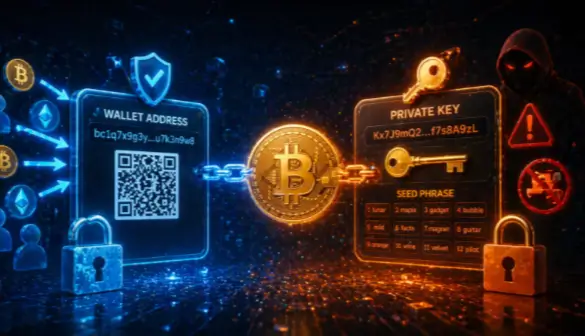
Wallet addresses are unique identifiers that designate a recipient on a blockchain network.
The analysis clarifies crypto basics, illustrating address roles within transaction structures.
It links network fees to efficiency, transfer times to congestion, and security best practices to risk reduction.
Precision reveals how addresses enable permissionless transfers, while remaining resilient to misaddressing and spoofing, sustaining user sovereignty and financial autonomy.
How to Choose the Right Network for Transfers
Choosing the appropriate network for transfers requires weighing cost, speed, and compatibility against the specific transaction context.
The analysis emphasizes network compatibility to ensure seamless asset reception and settlement.
Decision criteria include confirm times, network congestion, and compatibility of token standards.
Consider cross chain fees, limited interoperability, and potential bridge risk when evaluating routes for secure, cost-efficient transfers.
See also:Understanding Crypto Wallet Backup Methods
How to Copy, Share, and Receive Addresses Safely
As network selection events influence transfer outcomes, this section focuses on the practical steps to copy, share, and receive addresses safely.
The analysis emphasizes copy safety, meticulous address verification, and disciplined sharing practices.
It highlights sharing pitfalls to avoid, outlines receiving best practices, and prescribes verification steps, ensuring recipients decode formats correctly while preserving privacy and minimizing exposure to phishing or tampering risks.
Compare Costs, Speed, and Security Across Networks
Network selection shapes transaction costs, processing times, and security guarantees, making a precise comparison essential for informed decision-making. Across networks, costs vary with fee mechanisms and congestion; speeds depend on throughput and finality; security relies on consensus, cryptography, and network resilience. Security practices and wallet interoperability influence overall reliability, signaling that comprehensive evaluation should balance efficiency, risk, and cross-network compatibility.
Conclusion
In sum, the ecosystem behaves like a meticulously organized orchestra where miscopied notes produce discordant losses. Wallet addresses, fragile as moth wings, demand exacting care; networks, merciless in congestion and fees, behave like temperamental timpanists—loud, unpredictable, occasionally silent. The prudent listener evaluates risk, cost, and speed before conducting transfers, lest a careless click transform precision into chaos. Satire aside, disciplined verification remains the only durable bridge between intention and receipt across chains.